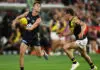


As AFL broadcasts continue to evolve, one trend has divided fans: active players stepping into the commentary box. While some believe current players provide insight into the game, others argue it creates a conflict of interest and limits honest analysis of the game.
With stars such as Scott Pendlebury appearing in commentary roles and players like Jack Ginnivan building a media career through podcasting, the line between player and commentator is becoming blurred.
Pendlebury, regarded as one of the AFL's smartest players, regularly reports on games as an expert commentator for Seven.
Players today are able to describe team structures, training techniques, and modern game tactics and have the ability to clarify these concepts in a way that former players cannot. His analysis gives viewers a deeper understanding of the game.
Earlier this year Pendlebury learnt of his MRO suspension live on air while reporting on St Kilda versus Melbourne.
However, player commentary is not without its challenges.
Games that involve rivals can create conflict. Current players are still competing, protecting their teams' interests and maintaining relationships with teammates. This can make it difficult for them to provide the same amount of criticism expected from traditional commentators.
Would a player publicly criticise a teammate's poor performance if it came up? Would they question a coach's tactics? A lot of fans think the answer is no. Knowing it might give an opponent ammunition, would a player go hard after an opponent they will face the next week?
Recent examples show the popularity of players in football media. Hawthorn forward Ginnivan co-hosts the Titch and Ginni show with former Brownlow Medallist Tom Mitchell.
Ginnivan's podcast has recently sparked debate about how much information current players should be sharing, with concerns insights could unintentionally give rival clubs an advantage to know Hawthorn's intellectual property.
Another concern is the ethical implications of current players working in the media while still competing against their peers.
Some AFL players may question whether it is fair for a current player to receive media influence while still competing. It raises questions about players feeling uncomfortable being publicly analysed by a player still active in the AFL community. Even if Pendlebury remains professional and unbiased, the perception of one comment may create tension between competitors.
In a similar fashion, Caitlin Clark made her commentary debut when she joined NBC Sports as a "special contributor" for the NBA Sunday night broadcasts. Fans claim that placing current players in studio roles could overshadow their team.
The question remains, should current players be commentating on a game they play themselves?