


AFLW players are still facing pay gaps, playing opportunities and recognition despite significant growth in the women's competition.
A record 16,672 fans watched Sydney defeat Essendon by 24 points at the SCG, more than doubling the Swans' previous AFLW crowd record of 8,264 at the SCG.
Now, more women and girls are playing football, but those on the field say the increases haven't closed the gap with the men's game.
"It's very important that eventually we can have some equality with the men; hopefully in the future we do, as the competition has only been around for ten years, so it will continue to grow," AFLW Hawthorn defender Emily Everist told Zero Hanger.
Playing opportunities are another difference, with AFLW clubs currently playing only 12 home and away games compared to the AFL men's competition, which plays 23 matches.
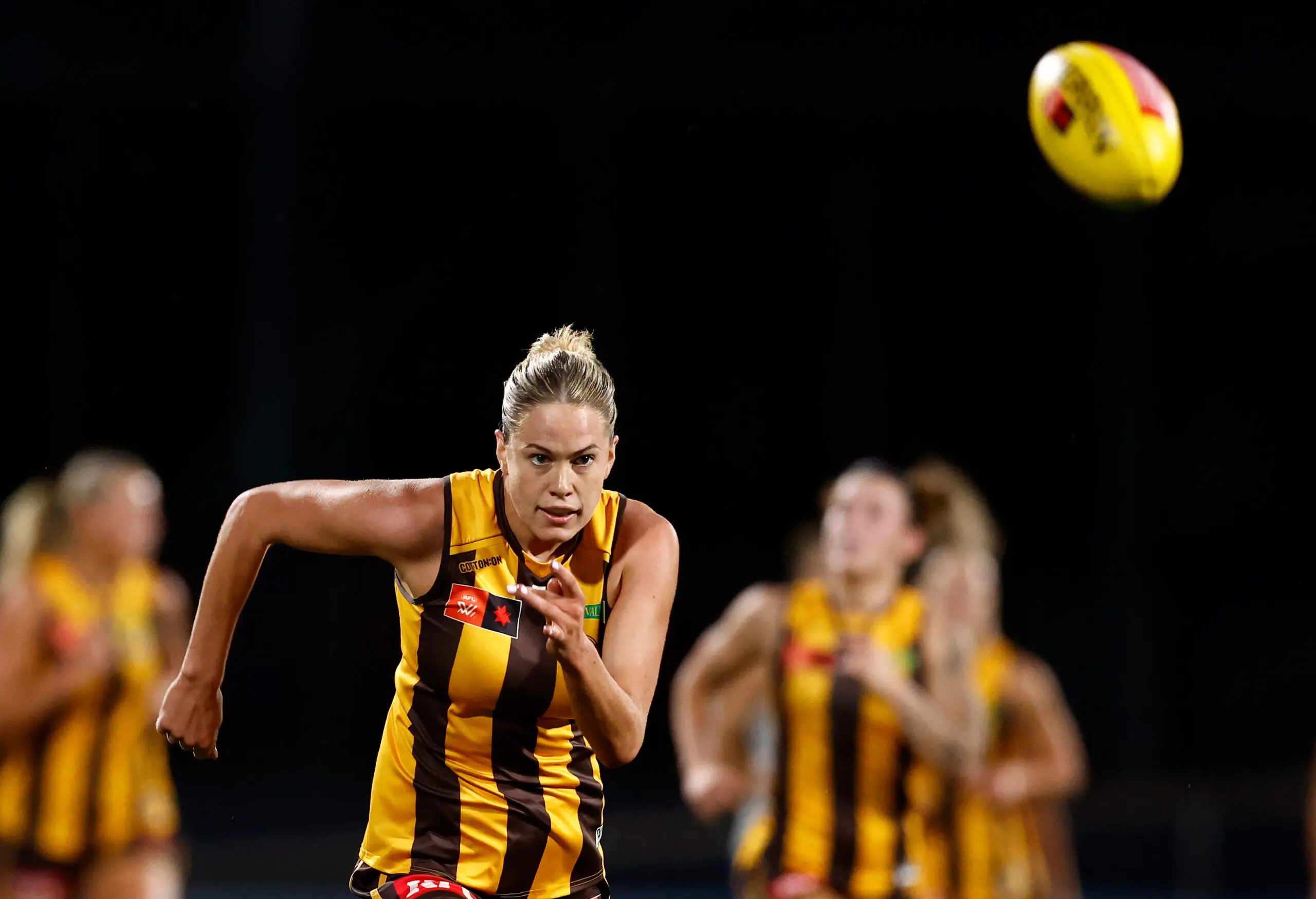
Playing more games would give players greater opportunities to develop, compete for premiership points and showcase their abilities.
“We only get 12 home and away games, and we don't even get to play every team once,” Everist said.
"We want more games, but when you're not full-time athletes, that's also such a hard thing. It's not just us as players; it's the physios at the club and the doctors and everyone else around that also would.
“We hate having five months off and training like we are playing but not actually having premiership points.
“And at the end of the day, we want to win a premiership.”
The frustration is clear for these girls.
Collingwood AFLW midfielder Amy Smith agreed, saying, "People don't really understand how hard it is to wait so long for round one to start compared to the boys."
Smith was drafted by Collingwood in 2025 from Sandringham Dragons and recently made her Pies debut.
View this post on Instagram
She highlighted the commitment required from players is already matched to a full-time AFL player.
"A lot of the girls still have full-time jobs outside of footy, even though we are in there more than five times a week. Most of us are studying at university full-time outside of footy," Smith said.
Smith raised concerns about the grounds some AFLW players are expected to compete on, saying some have potholes or cricket pitches in the middle of the oval.
"The girls mentioned they have played on grounds that have potholes and just don't really look safe, or they have a cricket pitch in the middle," she said.
“Unsafe grounds can also increase the injury risk in the AFLW, which is already high enough as it is."
Everist, who is currently recovering from an ACL injury, said medical support was strong during the season but became harder to access during the five-month off-season.
“As we go from December to May, when our off-season is, it's so hard because the physios and doctors aren't in full time; they might be in once a week," the Hawk explained.
“One of my steps in my rehab is from the eighth to the twelfth month, in that off-season period, is I need to go through non-contact training, but we're technically not supposed to be at the grounds training, and then I need physios supervising that training, which isn't possible.
“It might extend my rehab from 12 to 14 months."
She also described how players want greater recognition from supporters and the media. She mentioned how some people are quick to dismiss AFLW without giving the competition a chance.
“The people that actually haven't watched us play or put the effort in, and they're so quick to judge it and just bring us down just for being women,” she said.
“I think it's probably in the media that it's like you never see the AFLW on the news really or anything like that, so I think there's so much area to grow in that aspect.
“More support for our girls, getting around them, buying merchandise... just really supporting our girls to help grow the game.”