Former Fremantle player Heath Black never thought ex-teammate Justin Longmuir would turn into a senior coach, let alone be on the brink of delivering the Dockers their maiden premiership.
Black played 138 matches for the Dockers across two 69-game stints, from 1997-2001 and 2005-2008, either side of his time at St Kilda.
He played six years with Longmuir during his time in Western Australia, and has been pleasantly surprised by his career progression, but expressed confidence in his unassuming manner to keep the squad steady on the big day.
“To think this laconic country, laid-back person through his playing career is now at the helm, and the best coach in the league at this point is a credit to him and his family,” Black told Zero Hanger.
“His journey has moulded him into what you see today. The country feel he's brought in holds him in good stead. Nothing has ever wavered him. Whether it was the highs and lows of a playing career or anything else, not much waivers.
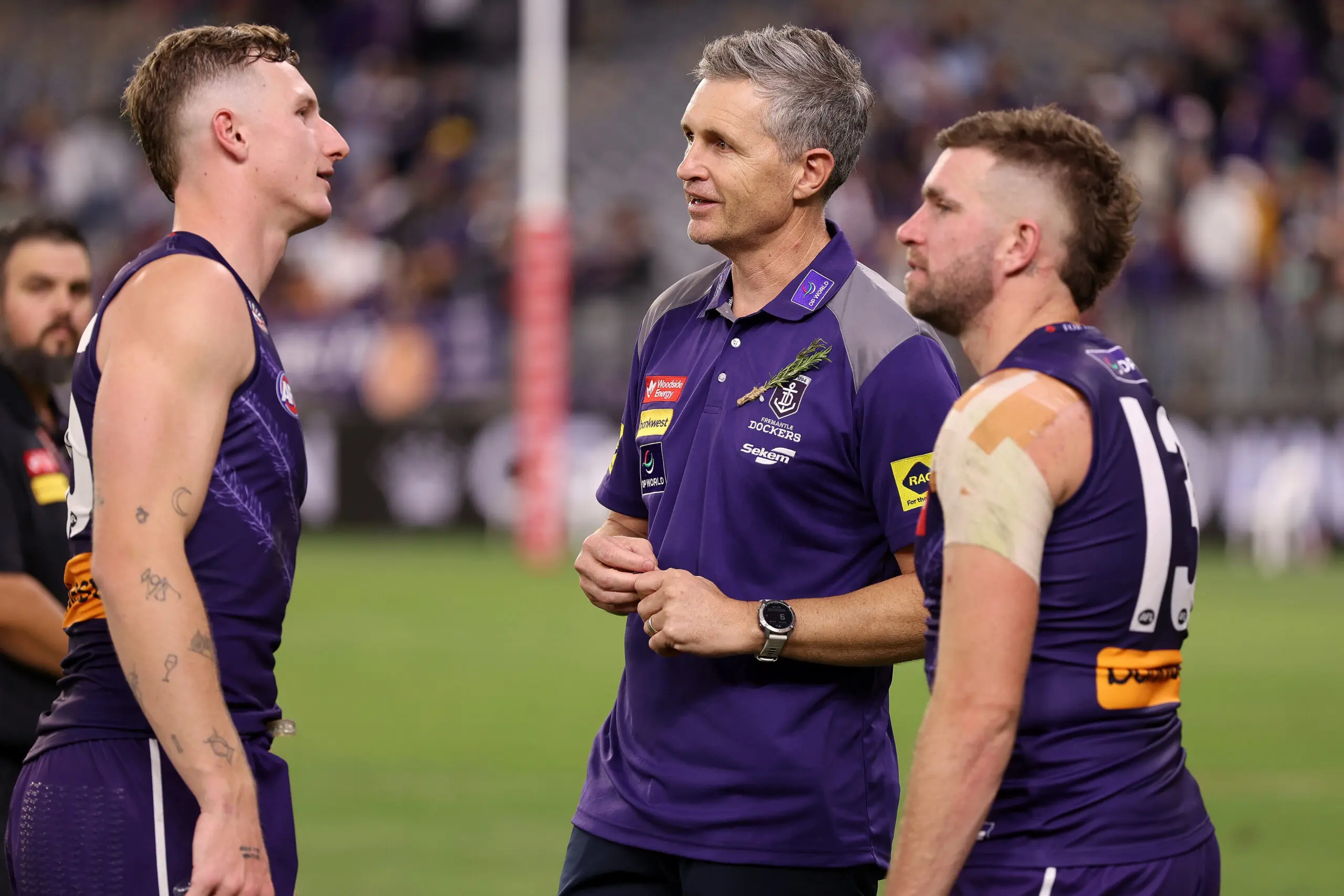
“Hand on heart, I never would have thought ‘JL' would have coached and that's a testament to him. I didn't think he'd be a senior coach, so good on him.”
Black's connection with the current-day Dockers doesn't end there, having spent considerable time with Patrick Voss during his junior days.
The booming left foot is a former head of wellbeing at Oakleigh Chargers, which has given him a connection to the 'Prancing Pony'.
“People forget, he wasn't even from an AFL background. Rugby was his thing. People wouldn't know, but I was working on body positioning and how to use his body back at Oakleigh – that was how basic his learning needed to be,” Black exclaimed.
“Reading the ball in the air in a marking contest. Working on his goal kicking and drop of the ball, so he has come a long way. He has done the hard yards to get onto a list.
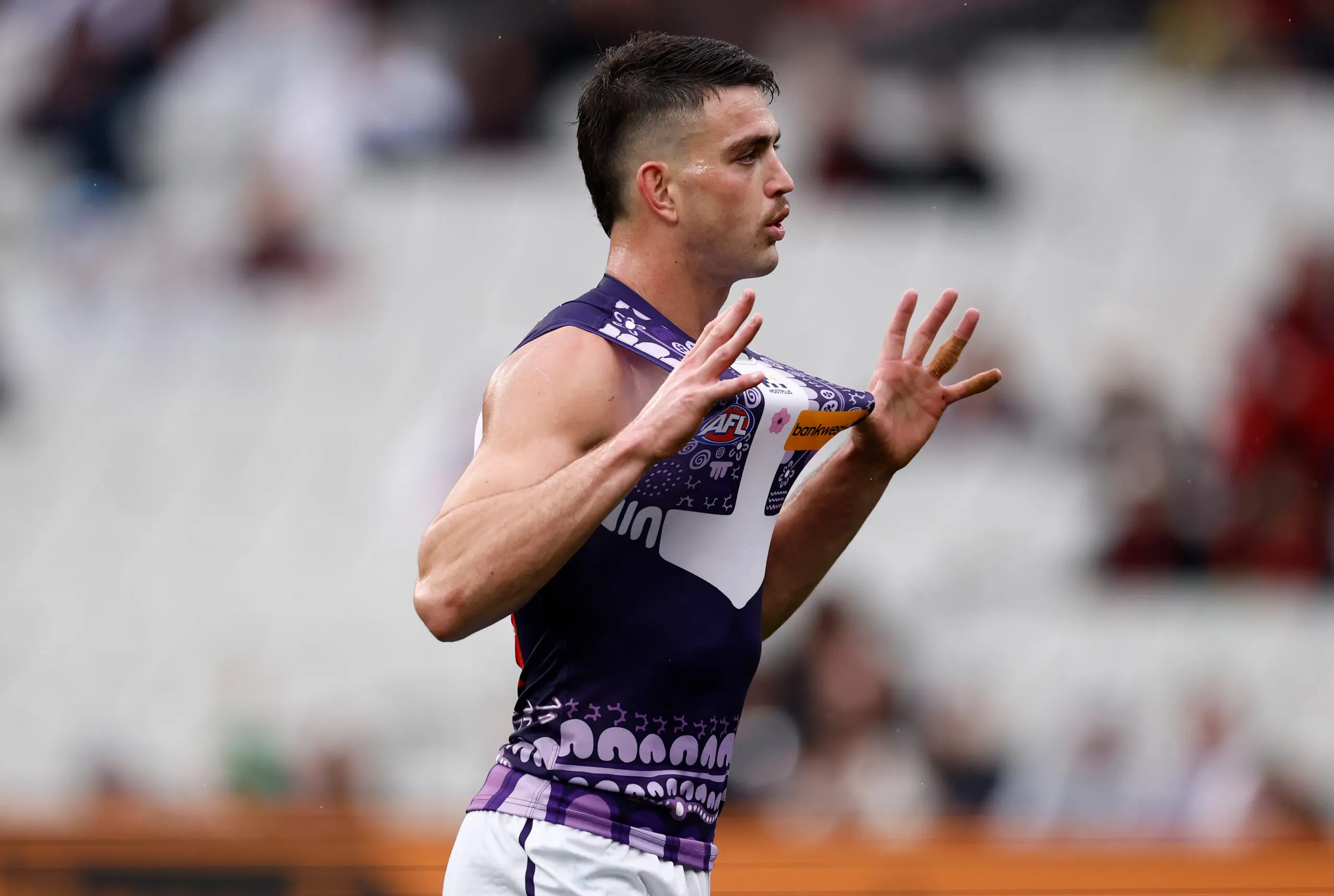
“He's very humble, gives his time, and has respect. We've seen his white-line fever time and time again, and he needs to play that way to get himself going and get his teammates going as well. There's a role he plays well and bobs up and hits the scoreboard himself.”
Now living in Melbourne and involved in the Eastern Football Netball League, Black is a step removed from the day-to-day happenings of the Dockers but has enjoyed watching the Wharfie Time phenomenon from afar.
Since his retirement, Black has spent time working in the mindset and wellbeing space and highlighted the role that the crowd can play.
“Psychology around that sort of stuff is strong. When you get that kick, and the crowd gets into it, it is really hard to stop,” he said.
“The big thing will be whether neutral supporters lean into supporting Fremantle, because that's what you will need. The influence of a crowd in live sport is real. With a crowd of 100,000, momentum is massive, so it's something to keep an eye on.”
The Dockers head of leadership Andrew Sturgess has been praised regularly by core squad members Caleb Serong and Andrew Brayshaw since arriving at the club.
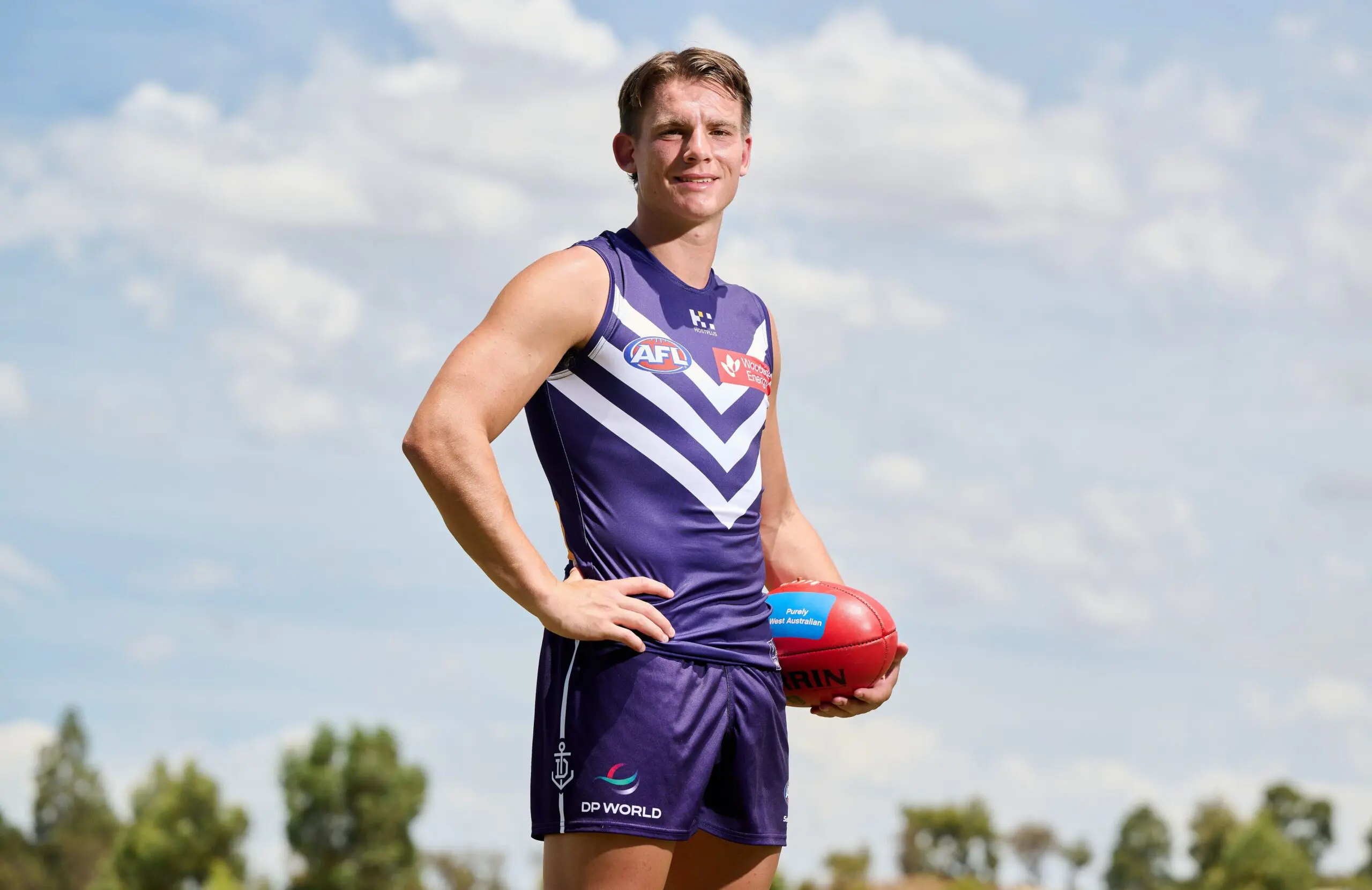
Leaning on his relationships with players, keeping those around the club grounded amid a hyped build-up will be critical to allowing them to flourish against a powerhouse gunning for a three-peat.
“You need to have a strong connection with the person who is presenting the content,” Black said of mindset coaches.
“The person needs to be believable, invested, knowledgeable about the game and if you get the right person, they can make a massive influence, and Grand Final Day is a time you would be relying on someone like that to walk you through the process.
“The quote is ‘it's just another game', and it is, but it isn't. You're going to a parade with thousands of people watching you, so you are skewed by your routine, so you have to get back to the basic fundamentals of football.
“Being in those tight finals as you've seen this year, getting back to playing your role and focusing on what you need to focus on. The little things and the moments are very important.”
Black spoke on how far the club has come since its early days in the AFL competition, with poor infrastructure plaguing the start of Fremantle Football Club.

For their first nine years, the club shared facilities with WAFL club South Fremantle and were effectively forced to train on local footy grounds.
“It's a lot of time and many years have gone on, but it feels like yesterday we started with our gym under a stand at South Fremantle,” Black said.
“Having meetings in a room on plastic chairs that just fit our squad, and your fitness and medical staff are out the back, to evolve to the development at South Fremantle Oval and what we now have today – a week like today is a good reflective moment of how far we've come.
"It's an amazing effort from where it's all started, but we were coming from a long way back, and even five years in, we were a long way from what the best teams are doing.
"A premiership would be a tribute to the blood, sweat and tears everyone has put in over the journey.”
It took Fremantle until 2013 to make its first AFL Grand Final, a loss to Hawthorn, and it has taken another 13 years for the Dockers to climb back to the last match of the season again.