At any time of the year, players, coaches and list managers are all dealing with the pain. The pain of players and playing with the pain.
Take Gryan Miers who currently is playing with a torn ACL. Or Marcus Bontempelli playing with a crook knee and a sore foot. These two players are an example of quite painful and restrictive injuries a modern-day player will play through.
During my 325 AFL games and many games afterwards, I took the field with a myriad of different types of painful injuries. Some were manageable and others were just excruciating.
Some injuries happened within the games as well. I remember in my 150th game against Adelaide Crows, I tore my right rectus femoris quad early. I kept playing of course and just kicked with my left foot.
I had lost a little bit of top-end speed, but played well and no one really noticed. While it wasn't a complete stop, it still restricted my abilities for the next two to nearly three weeks before I could kick with my normal power on the right side again.
This had nothing on the pain I had to endure, at possibly the worst time. It was 90 seconds into the 2002 Grand Final against Collingwood.
I went down to pick up a ball on a cold, wet last Saturday in September. It was only eight degrees (normally the conditions I loved to play my best football in). Ben Johnson, who had been given the task to curtail my performance, gave me a small shove in the back.
I was on my knees by then and the force made my knees splay and my right adductor tore half of the bone. I didn't know it at the time of course but from that point on I couldn't kick with my right leg, lost nearly all my acceleration power and my agility was gone. There was only three quarters and 25 minutes to go!
There was no anaesthetic jab or pain relief that could make it go away because it was a tendon issue.

I remember with 30 seconds to go in the game, just before the final siren, I was running out of our goal square chasing my opponent and my right quad and my left hamstring both tore within a second of each other.
I am glad it was the last game of the season and we won. There were no subs to bring on or any other players like the five on the bench to cover us like it is today.
These are the examples of what types of injuries and pain professional football within the AFL and other leagues put up with.
The game today is much faster than ever. The distances are less but the repeat speed is much, much higher. All clubs across the league are suffering due to the pace and speed of the contact within the games.
Now the dark arts of the game behind closed doors haven't changed. It is just that the game makes sure to keep it out of punters' and crowd's view.
Only a club doctor would know, but there would be at any time one to five players per team, per week getting anaesthetic injections to cover the ankle, knee, hands, or ribs to be able to play.
While us punters watch and wonder why a player is a bit off from time to time (mainly so they can win on a bet or two) we all expect the players to be at their best every game, every week. As all players know you are always on the edge.
A player will be off most weeks after Round 1 with either a collision injury or a tendon/muscle strain or soreness. We are not even talking about the brain here just the body.
Most of the viewing public have no idea what players will do to get out there to play. Most of the public will say they get paid too much, but players risk their long-term health for their club and the team.
The coaches will take a 60 percent Bontempelli over a 100 percent seconds player due to the player's experience and what they still can bring on the field. Both coach and players' take the calculations into account every week and every game on offer.
I saw Michael Voss, Jonathan Brown and Nigel Lappin play the 2003 finals series with anywhere from one to 10 anaesthetic injections each to take the field. Something they would do all over again if needed. It is just the way it is at the top level.
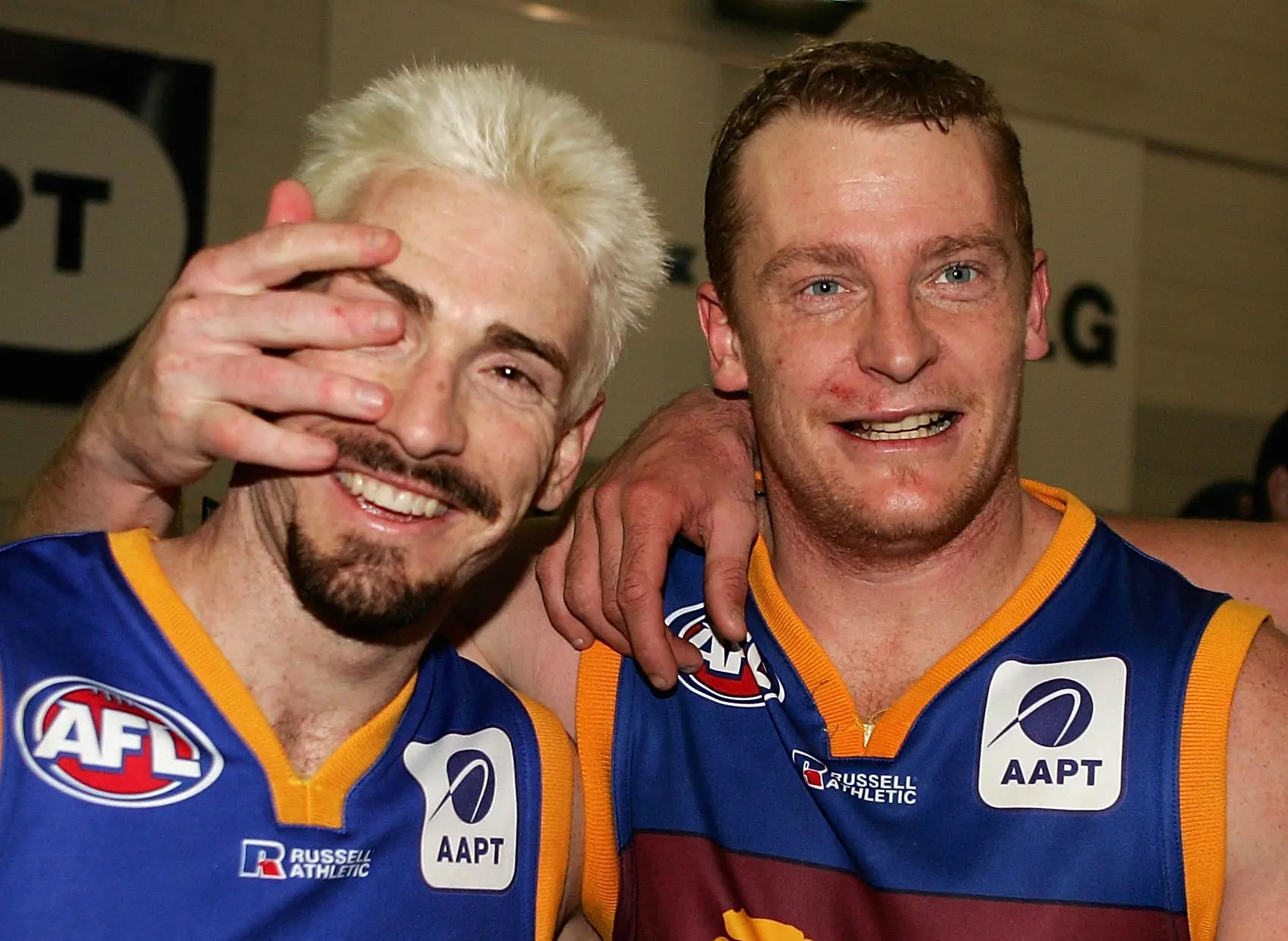
My Lions team would use hypoxicators, hyperbaric chambers, physiotherapists, and even half-time saline drips to help with our performance.
At the end of my career, I had my own personal altitude machine which would increase my red blood cell count from a normal 39 to 52 (the maximum level allowed on Le Tour de France bike race is 50). It gave my body an enormous extra running capacity within games.
Some of my Bulldogs teammates would sleep in an altitude tent at night to gain any advantage they could. It is all part of the game to legally get anything we could to outplay and outlast our opponents.
Not too much has changed since I finished and perhaps this might give you the reader some extra knowledge of what your favourite player and team is going through each and every week.
Which makes this week's AFL record breaking games record of 433 games by Collingwood's Scott Pendlebury even more amazing since debuting in 2006. That many games and possible many more is a wonderful, but painful, feat. Congratulations Pendles.