

The AFL's revamped draft bidding system was put to the test on opening night of the 2026 intake, with three clubs successfully fending off rival bids while Brisbane became the first major casualty.
Inside the top 10, Port Adelaide, Carlton and GWS each accumulated enough draft points to secure their respective academy and father-son prospects Dougie Cochrane, Cody Walker and Ethan Matthews.
The Lions, however, were left short, with Sydney successfully prising Caylen Murray away from Brisbane by a margin of just three draft points.
The result offered an early indication of the AFL's tougher draft regulations, introduced to ensure clubs pay a fairer price for access to elite father-son and academy talent after several years of premiership contenders securing highly rated prospects at a significant discount.
Brisbane had been among the biggest beneficiaries of the previous system, landing the Ashcroft brothers inside the top five of their respective drafts using a collection of later selections, while also securing father-son prospect Jaspa Fletcher at Pick 12 in 2022.
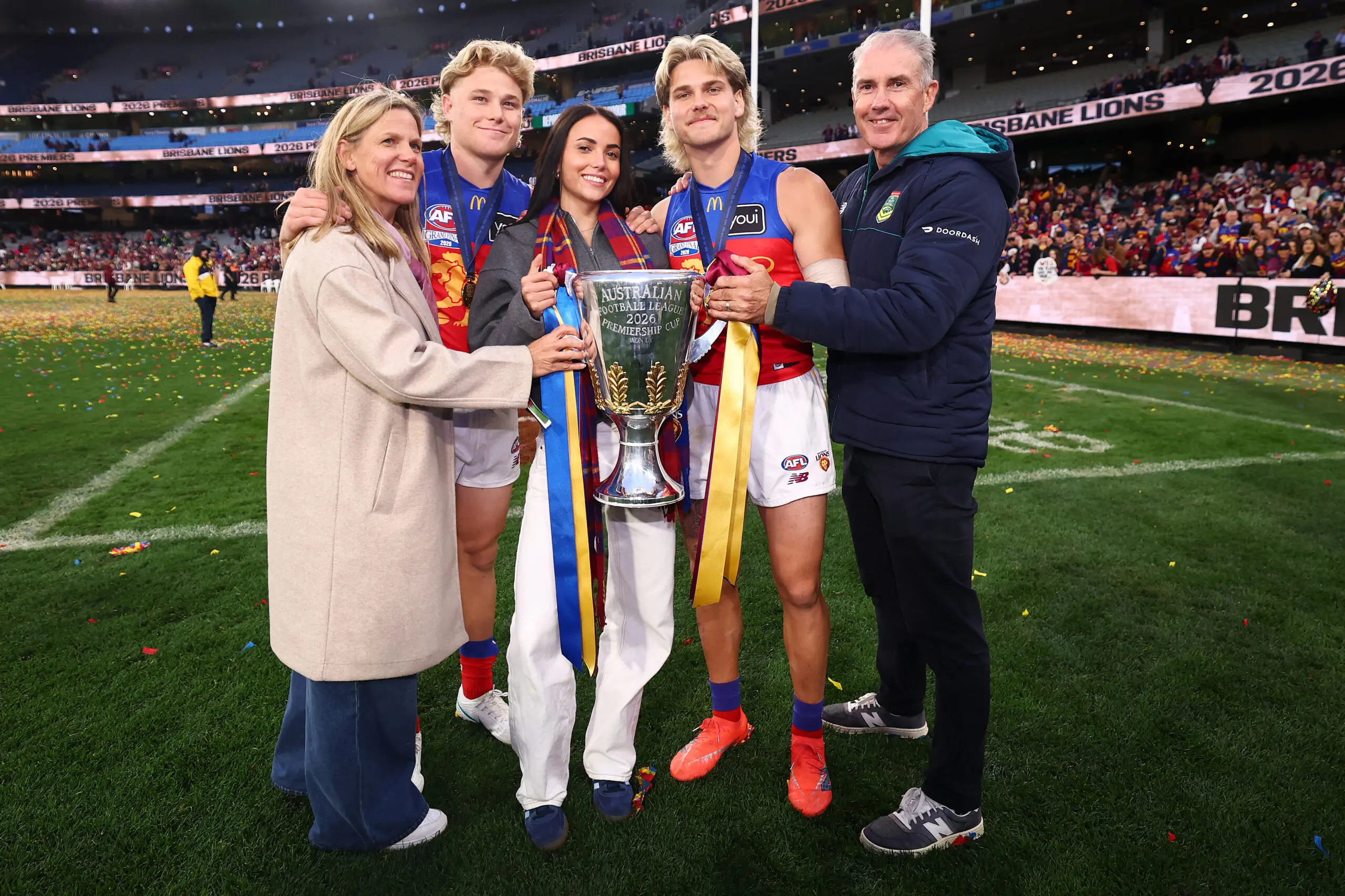
This time, though, the Lions found themselves on the wrong side of the bidding equation by three points.
The AFL's new draft value index (DVI) inflated the worth of top 10 picks. And a new levy added a 20% tax to bids matched by grand finalists.
The 1355-point value of Pick 9 became 1626 points with the tax. Brisbane's picks 24 and 25 were worth 1211 points, and they could go into a maximum of 412 points deficit. Tallied up, they accounted for 1623 of the 1626 points required.
The outcome even caught Murray by surprise, with the newly minted Swan admitting he had not anticipated Sydney's level of interest.
"Yeah, it was; I didn't realise Sydney was that keen but stoked to join the club. It's an amazing club, great players, great staff and I'm keen to explore Sydney," Murray said after he was drafted.
"It was a bit of a shock at the start, but now it has sunk in. I'm stoked to be a Swans player."
While the Power, Blues and Giants each managed to secure their intended targets, doing so required considerable work on the trade front, with the new system presenting challenges for all three clubs.
Each made multiple moves during the off-season, with further manoeuvring on draft night, to ensure they had sufficient points to secure Cochrane, Walker and Matthews.
Port Adelaide's position was strengthened by the departure of Zak Butters and the five-club mega-trade, which delivered the Power multiple first-round selections.
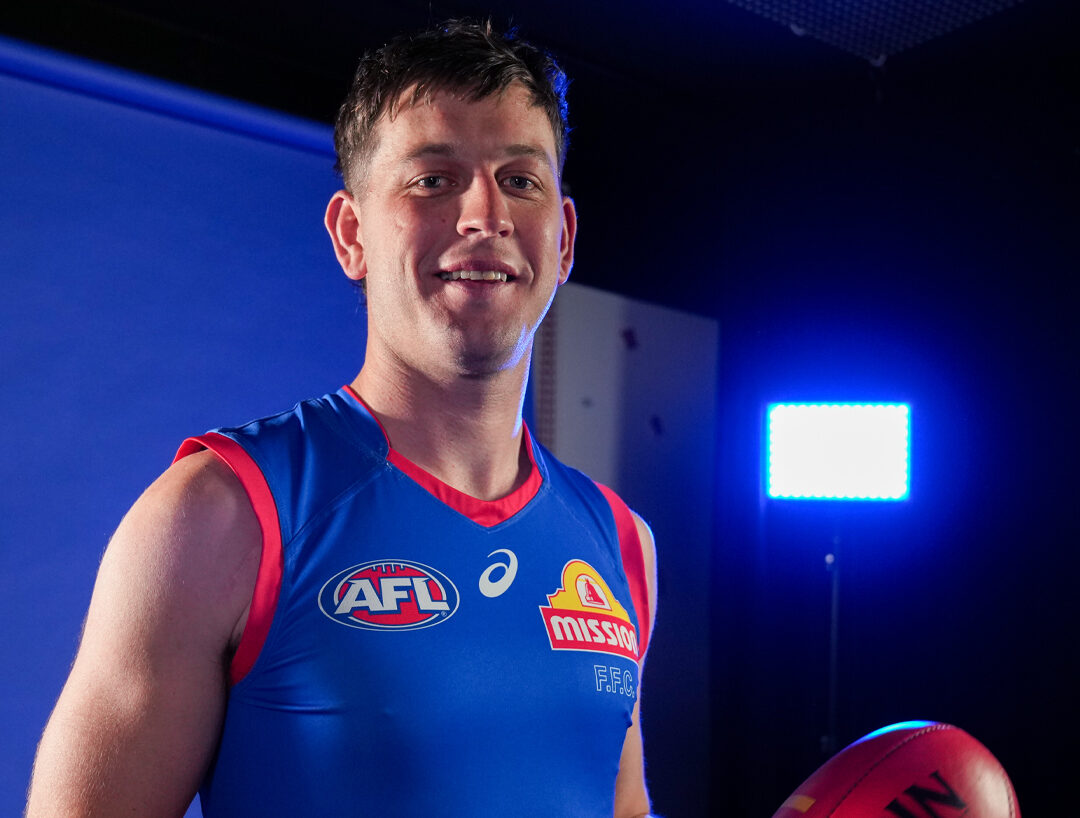
The challenge was then to maximise that draft capital, and they did so by drafting Clancy Snell at Pick 19 as well as bolstering their future hand.
Carlton, meanwhile, entered the night confident it had enough points to match a bid for Walker, but still managed to secure an additional second-round selection from Adelaide through a draft-night trade.
"We've paid a big price for the last couple, really," Carlton football boss Chris Davies said.
"Yeah, it is what it is. We just got to move on with that now, and yeah, we paid the price that we thought was reasonable, and in amongst that, we're able to get another second-round pick in. So we leave tonight happy. We've got to pick the right players tomorrow night."
But it was GWS that emerged as the biggest movers on the night, acquiring Sydney's Pick 8 (pushed back two spots due to bids) and Port Adelaide's Pick 12 to secure Matthews at Pick 6 following a bid from Melbourne.
The Giants also landed Pick 13, which they subsequently used to select Jack Eime.
GWS Head of Talent Adrian Caruso acknowledged the revised system offered a fairer reflection of a prospect's value, but warned it could create difficult decisions for clubs producing multiple highly rated academy prospects.

"I think it's a fairer value to pay for a player. I do agree on that," Caruso said.
"The challenge will be when you're producing multiple players, and you can't take them all. As an Academy for us, that will be hard to accept.
"If we had another player of Ethan's quality, we wouldn't have been able to bring them in.
"I think that's going to be the hardest thing in years to come, but I suppose that's what the rules are there for. It didn't work against us; it was just harder to match the bid, but we tried to make the best of the situation."