

The movie Moneyball is based on a true story in which Oakland Athletics manager Billy Beane needed to build a competitive baseball team on a limited budget using statistical analysis.
After losing their three top players to rich franchises in Major League Baseball, the A's looked to bring in players at bargain prices who just did their job for the team but weren't necessarily classified as superstars.
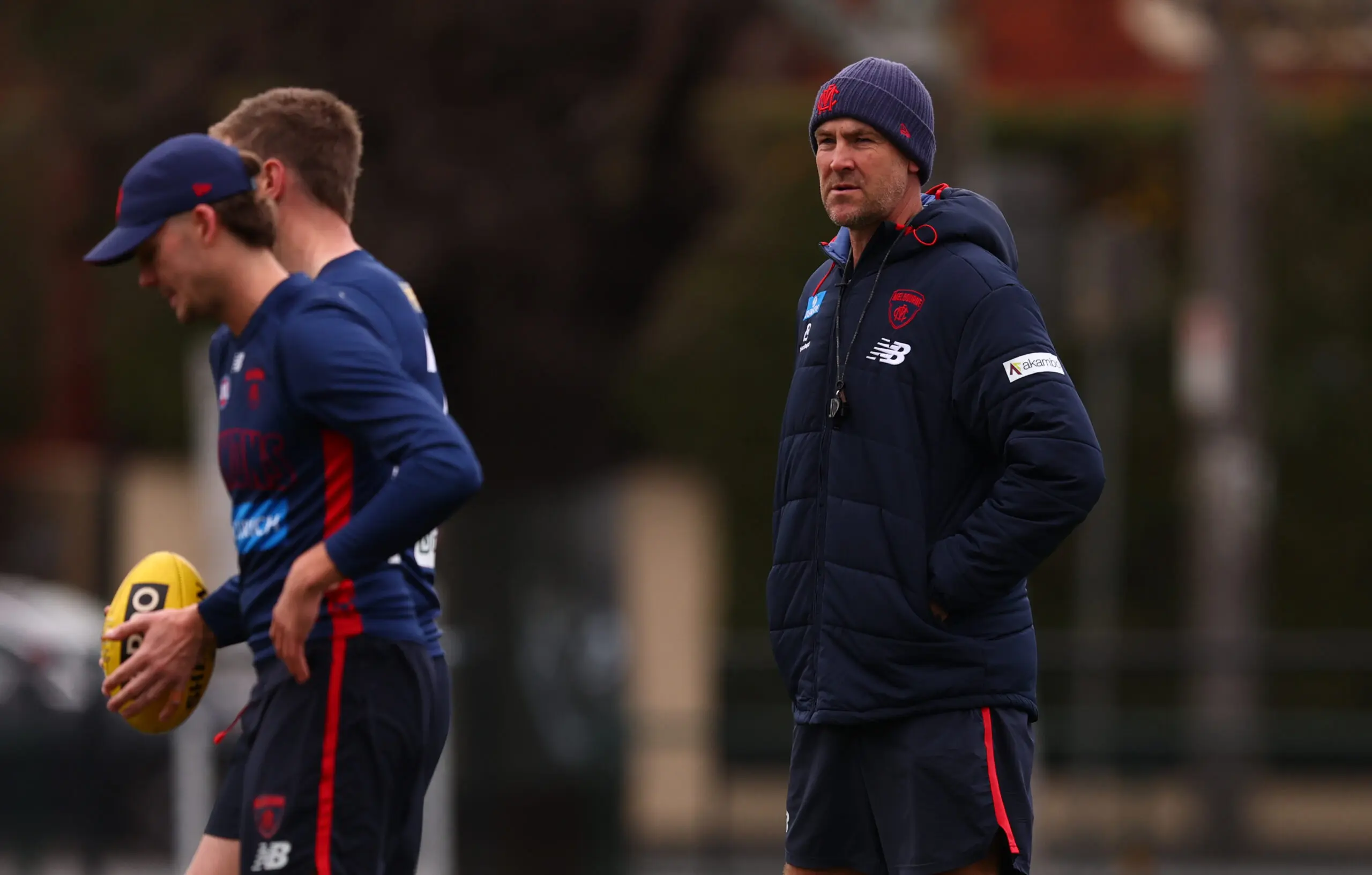
Just as Beane was forced to rethink how a professional baseball team could be built on a limited budget, Melbourne's Steven King faced a similar challenge of reshaping a club whose direction had become increasingly uncertain.
Rather than replacing departing players with established names, King's approach centred on refreshing the list, improving the club's environment and creating opportunities for younger players.
Many had the Demons finishing in the bottom four, but instead of living out a predicted horror movie, King engineered a remarkable turnaround. Melbourne maintained a top four position for a significant portion of the year before progressing to a wildcard finals series.
So, how did he do it?
King was appointed Melbourne's senior coach in September 2025 after the Demons finished 14th on the ladder under Simon Goodwin with a 7-16 record.
The former Geelong assistant wasted little time implementing significant changes at a time when the Dees looked to be all at sea. Of the 45 players to start on their list in 2025, 18 are no longer there at the end of the 2026 season.
Melbourne's list underwent a substantial overhaul, with several premiership players departing as the club looked to go in a different direction under King.
Among the most significant decisions were the departures of Clayton Oliver and Christian Petracca, two players who had been central to Melbourne's success. Moving on players of their calibre was a considerable risk, particularly for a club that needed a return to finals football; however, King maintained that the decisions were made with the long-term interests of the club in mind.
Speaking on Footy Classified earlier in the season, King explained the thinking behind the changes regarding Oliver, Petracca and Steven May.

"It was a big decision not only from me but from our football club as a whole," King said.
"My philosophy is around doing whatever's best for your footy club, and if that was for the three of them to stay, then so be it.
"Clearly once you speak to a few people, I think the best decision was for everyone involved, those three players as well, for them to move on and reinvigorate their careers and for us as a club just to create some opportunity and a clean slate moving forward."
The decision attracted significant attention all over the football world, but former Collingwood President Eddie McGuire described the move as "one of the great acts of courage seen in football".
Much like Beane's approach in Moneyball, Melbourne's rebuild was not about losing established players; it was about maximising the value of those departures and reinvesting the returns.
King's decision to trade Norm Smith Medallist Petracca before he lost his trade value was one of the biggest moves of the rebuild. The Dees were able to get a substantial package of draft selections, including picks 7, 8, and 37 in the 2025 draft, Gold Coast's 2026 first-round pick and its 2027 third-round pick. In return, the Suns received Petracca, picks 24 and 28, and Melbourne's 2026 second-round pick.
Petracca started very strongly at the Suns, but the 30-year-old struggled for the majority of the season, playing well below his usual standards, accumulating just 16, 14 and 12 disposals without a goal in his last three games of the season.
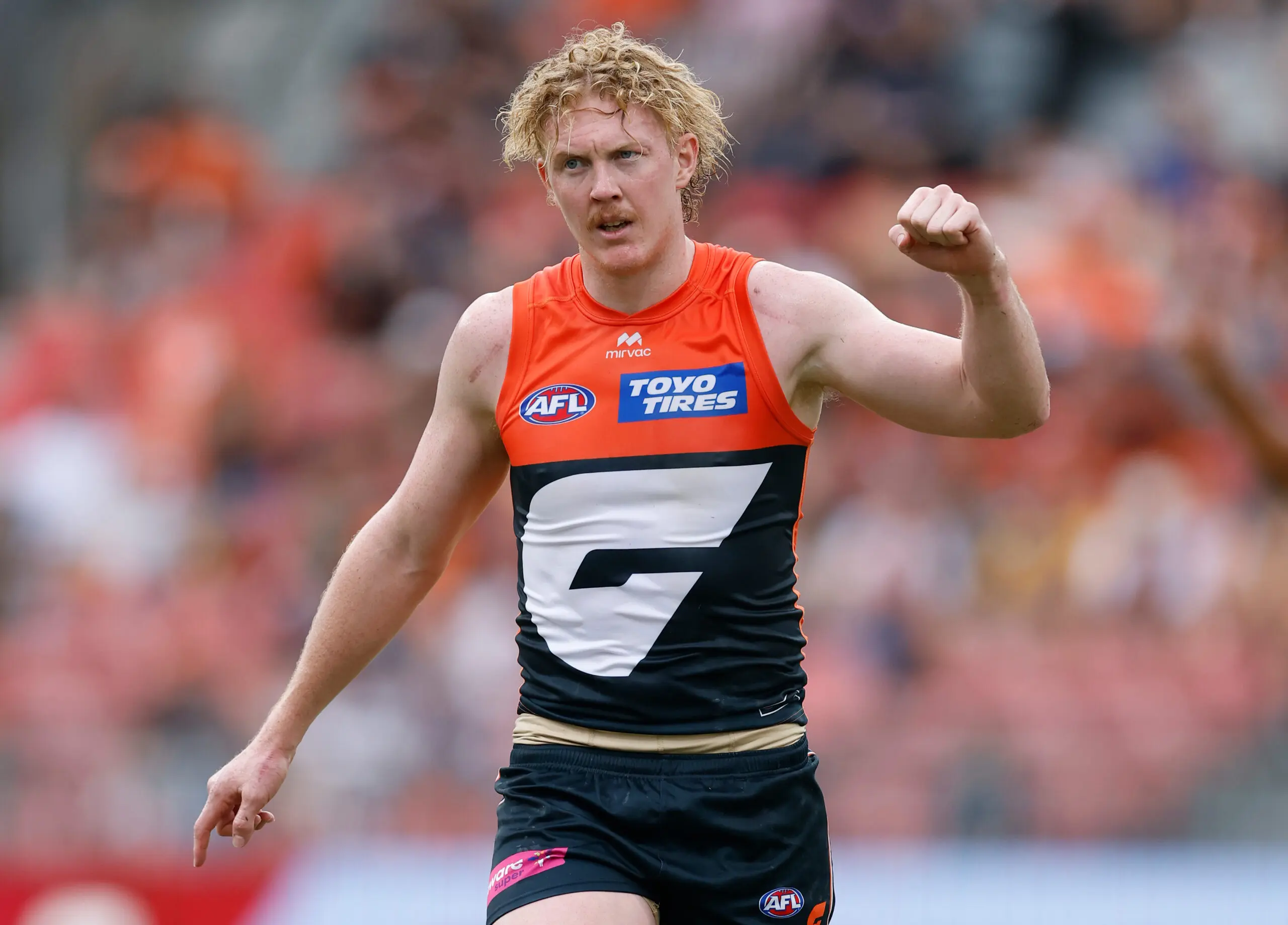
Alongside Petracca, the Demons received a 2026 third-round pick from the Giants for premiership winner Clayton Oliver. Although the departures of these two removed considerable experience from the midfield, with further disruption caused by Jack Viney, who missed the whole home-and-away season, the transition created opportunities for other players to have greater responsibility.
King invested in heaps of emerging younger talent while still acquiring worthwhile established players. Kysaiah Pickett starred all year, Jack Steele's experience blossomed, Max Gawn did Max Gawn things, earning a record ninth All Australian blazer, and a whole other bunch of young kids held their own at times.
Former St Kilda captain Jack Steele was also brought into the side as an experienced option in their new-look midfield for practically a pack of chips, a 2027 third-round draft pick. The inside midfielder finished the year averaging 23.5 disposals per game, finishing fifth in the club's best and fairest.
A 2026 third-round pick went to Collingwood to land key forward Brody Mihocek, while young ruck Max Heath crossed over from St Kilda in exchange for a 2027 fourth-round pick; A historic move, being the first club to officially involve a pick for two years into the future at the time.
This year's trade period, in a major five-team deal, Melbourne secured picks 4, 12, 31 and 46 while giving up selections 6, 10, and 87, along with a 2027 first-round pick, a 2027 third-round pick and a 2028 fourth-round pick. The move highlights the club's ongoing commitment to rebuilding its list, with their ambitions extending beyond 2027.
The club told 200-plus-game player Jack Viney to explore his options alongside Trent Rivers, with the pair joining West Coast via the trade period.
Zane Duursma's move to Melbourne remarkably gives the Demons seven players taken inside the top 13 picks across the past three drafts, as these deals gave Melbourne additional opportunities to recruit young talent and strengthen their list over the coming seasons.
Zane Duursma's move to Melbourne gives the Demons 7 players taken inside the top 13 picks across the past three drafts:
Duursma, Windsor, Tholstrup (2023);
Langford, Lindsay (2024);
Taylor, Pickett (2025).They also hold Picks 4 and 14 this year. 👀@zerohanger
— Aidan Cellini (@aidancellini4) October 13, 2026
Duursma, Caleb Windsor and Koltyn Tholstrup in 2023, Harvey Langford and Xavier Lindsay in 2024, and Xavier Taylor and Latrelle Pickett in 2025. They also now hold pick 4 received from Port in the five-club mega deal, alongside pick 14 from the Bulldogs ahead of this year's draft, boosting their trade stocks even further.
King prioritised improving the club's internal environment, aiming to create a workplace where everyone was "happy at work every day".
"Then secondly for me, I think I've walked into a situation where there are numerous premiership players. They've been coached really well in contest and defence.
"For me, it's just allowing our players to express themselves with ball in hand. I feel like getting them on the hook early, around us being a bit more instinctive and with a bit more flair with ball in hand, will help us. And then the environment piece. So those were the two sort of big ticket items for me.
The Demons' "fun and dangerous", free-flowing, fast-paced ball movement while trying to stay tough around the footy was a recipe for success in King's first season at the helm, and their future still looks bright.
Melbourne's improved scoring output suggested that King's new game plan had promise. The Demons produced their highest-scoring season since 2018, averaging 100 points per game for only the second time since 2012.
However, just as impressive as their picks and wins were this season, the development of a host of players throughout 2026 shone through the most.
Harry Sharp emerged to become a crucial member of the best 23, while Tom Sparrow produced his best season yet.
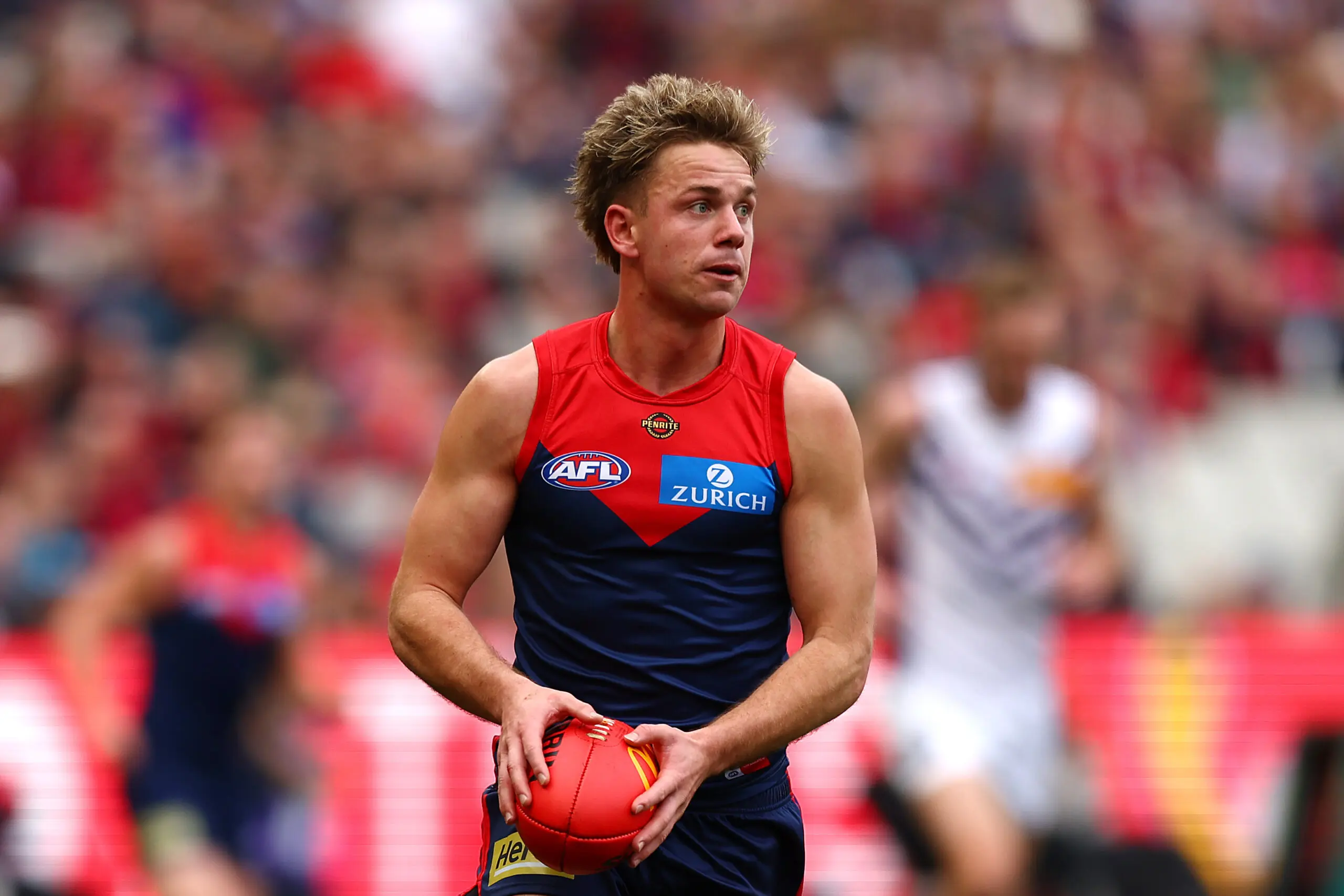
Daniel Turner established himself among the competition's rising key defenders. In attack, with Brody Mihocek's absence, Jacob van Rooyen and Matthew Jefferson stepped up at different times to offer encouraging signs of their potential, kicking 60 goals between them.
Youngsters Harvey Langford, Kade Chandler, Caleb Windsor, Koltyn Tholstrup and Joel Fitzgerald all improved significantly in King's attacking coaching style and were given more significant roles throughout the year.
There is obvious disappointment over how the season ended, but the Demons exceeded expectations exponentially and have plenty of reasons to believe they can challenge for a premiership in the coming years.
Melbourne's 2026 season showed that a significant list rebuild does not necessarily require a prolonged period outside of finals. King's willingness to make difficult decisions, backed by a renewed emphasis on player development, workplace culture and attacking football helped the Demons exceed many pre-season expectations.
The next challenge will be conveying their promising young talent and accumulated draft hand into a list capable of consistently performing against the best come finals time.
Like Beane's Athletics, Melbourne's success will be judged on whether these decisions leave long-lasting results, but their foreseeable future looks as bright as anyone's.